The Gift of Lightness
If such a thing interests you, you can find on Youtube a vast collection of videos about people decluttering their lives in one way or another. There is the trend of tiny houses, where people drastically downsize and fit themselves and all their belongings into a miniature house with very small square footage. There is van life, where people spend years traveling the country or even the world in a camper van, which they’ve often personally renovated for efficiency, documenting the pros and cons of the lifestyle along the way.
Then there is the genre of TV program where people get help to either organise their vast amounts of stuff, or are guided through the process of reducing it. A little while ago a woman called Marie Kondo was extremely popular for her minimalist approach, whose mantra was ‘keep it only if it sparks joy’. Perhaps not always practical, but an interesting way of prompting a reassessment of what we value and why we have so much stuff in our lives.
Simplicity has become a source of fascination in our culture, because it is something we tend to profoundly lack. Instead we generally embrace the attitude that more is more, with the eternal aspiration to acquire that one extra thing that will make us happy. If only I had this, if only I could do that… and then we get there, and fulfilment remains elusive, prompting the search for the next thing to acquire which might do the trick.
There’s actually a name for this endless search: destination addiction. An inability to be truly content in the here and now, but instead always looking ahead for the answer. Sound familiar at all? No wonder we are weighed down with so much stuff and activity and pressure to be busy. Simplicity may be aspirational, but it doesn’t come naturally in this day and age. And yet, this morning it is a theme which runs through our readings.
Naaman is suffering from a serious skin condition, and when he finally makes it to the prophet Elisha’s house, he is affronted by his prescription for healing - to wash in the river Jordan seven times. ‘What? That’s it?’ he asks, seemingly having been prepared for some kind of test or challenge where he could rise to the occasion and demonstrate his commitment or prowess - he wanted to prove that he was worthy, prove that he could achieve whatever complicated formula was asked of him. Instead, just go to the river and get wet. The simplicity he was offered almost made him walk away. Why was this, I wonder? What need for self-reliance did he have to let go of?
Then when Jesus sends out the seventy, it is with the instruction to go without provisions. Don’t take any luggage, don’t be weighed down with stuff, don’t stop to chat to everyone you pass by on the road. Instead just go where you are going, accept whatever hospitality you are offered, and rely on God to be with you. Later, when the seventy come back again, they’re very excited to have experienced the submission of demons. Imagine how powerful they must have felt! Just think of the thrill! But Jesus brings them back down to earth, or rather, back down to heaven, with the reminder that none of this matters compared to the simple fact that their names are written in heaven.
Again, an instruction to let go of self-achievement, and to instead orient towards God’s love which is worth more than having the whole world. Jesus is teaching us that true success isn’t measured in outcomes, but in identity. It’s not about what you can do, or own, but it’s simply who you are in the eyes of God that matters. If we are able to truly take this to heart, it will shape how we live.
At some point, most of us will probably wonder how we’ll be remembered after we die. I know I have. It’s a deeply human question: What will my legacy be? But it’s also a question I think we worry about far too much. Our culture values achievements - what we do - more than who we are, but that is never what Jesus is about.
There isn’t a single example in the bible of Jesus being impressed with someone’s resume or power. He’s never bothered by status or fame. If he were alive today he definitely wouldn’t be following celebrities on instagram or tick tock. Instead he constantly annoys people by disregarding the things that we tend to cling to so tightly. That’s why it frustrated people so much when he had dinner with nobodies, or talked with foreign women, or fraternised with sinners, or healed unclean sick people on the sabbath.
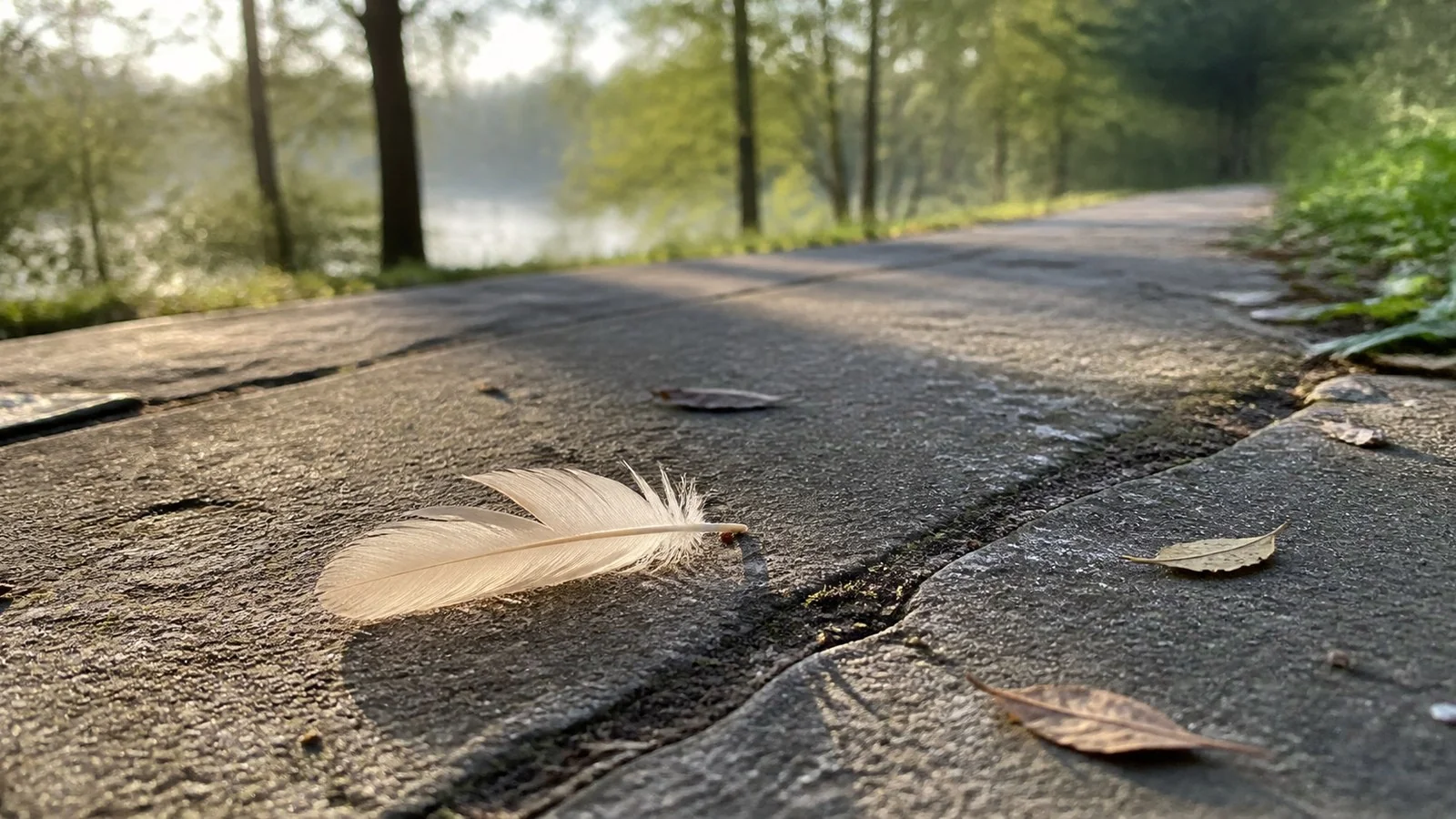
The only thing that truly matters is who we are in the eyes of God. And God sees each of us as having infinite worth already. With this confidence, we can adjust our priorities and live a life where we travel light—not just materially, but spiritually. Where we let go of the need to prove ourselves, because we are already known and loved.
Now it must be said that simplicity is not at all the same as ease. God’s instructions may be simple, as the collect for today demonstrates: ’O God, you have taught us to keep all your commandments by loving you and our neighbor’, but this is far from easy. Loving our neighbour is incredibly challenging, especially when they might drive us to frustration or bewildered anger. And then there’s the question of what ‘love’ actually looks like. Sometimes it means setting boundaries. Sometimes it means speaking truth. Sometimes it means staying in the room when everything in you wants to walk away.
And the same goes for simplicity - it may look different for each of us. It will ask hard questions: what do we do with our resources? How are we pursuing the kingdom of God rather than destination addiction or legacy building that won’t last? Are we practicing generosity with our money, time, listening, forgiveness? Are we focused on the reality that everything we have and like to cling onto is in fact a gift, gifts that we are invited to use, or give away, in order to obey the simple command to love God and neighbour? The truth is, most of us won’t be remembered for very long, or for anything particularly grand. But we can make an impact. We can be remembered for showing up. For being kind. For living with integrity. For being someone whose presence helped others know they were loved.
That’s what Paul is getting at when he says, “Let us not grow weary in doing what is right.” Faithfulness isn’t always flashy. It’s often slow. Often hidden. Often quiet. But it matters. This is a legacy of holiness, where every small act of love is like a seed planted. You may not see it grow. But God does.
As the poet Mary Oliver asks, ‘Tell me, what is it you plan to do with your one wild and precious life?’. What do people see when they look at you? At us? What are your priorities? What are you putting your effort and gifts towards, and is it the kingdom of God where we have our names written in heaven?
A hundred years from now most of us will be forgotten to history. But God knows your name, and that is what matters most, in the midst of this hard but simple calling to live in faith.
So rejoice that your name is written in heaven. Rejoice that the kingdom of God has come near. Rejoice and go into the world with lightness, with simplicity, with love, for that is the greatest legacy we could hope for.
Amen.
2 Kings 5:1-14; Galatians 6:(1-6)7-16; Luke 10:1-11, 16-20