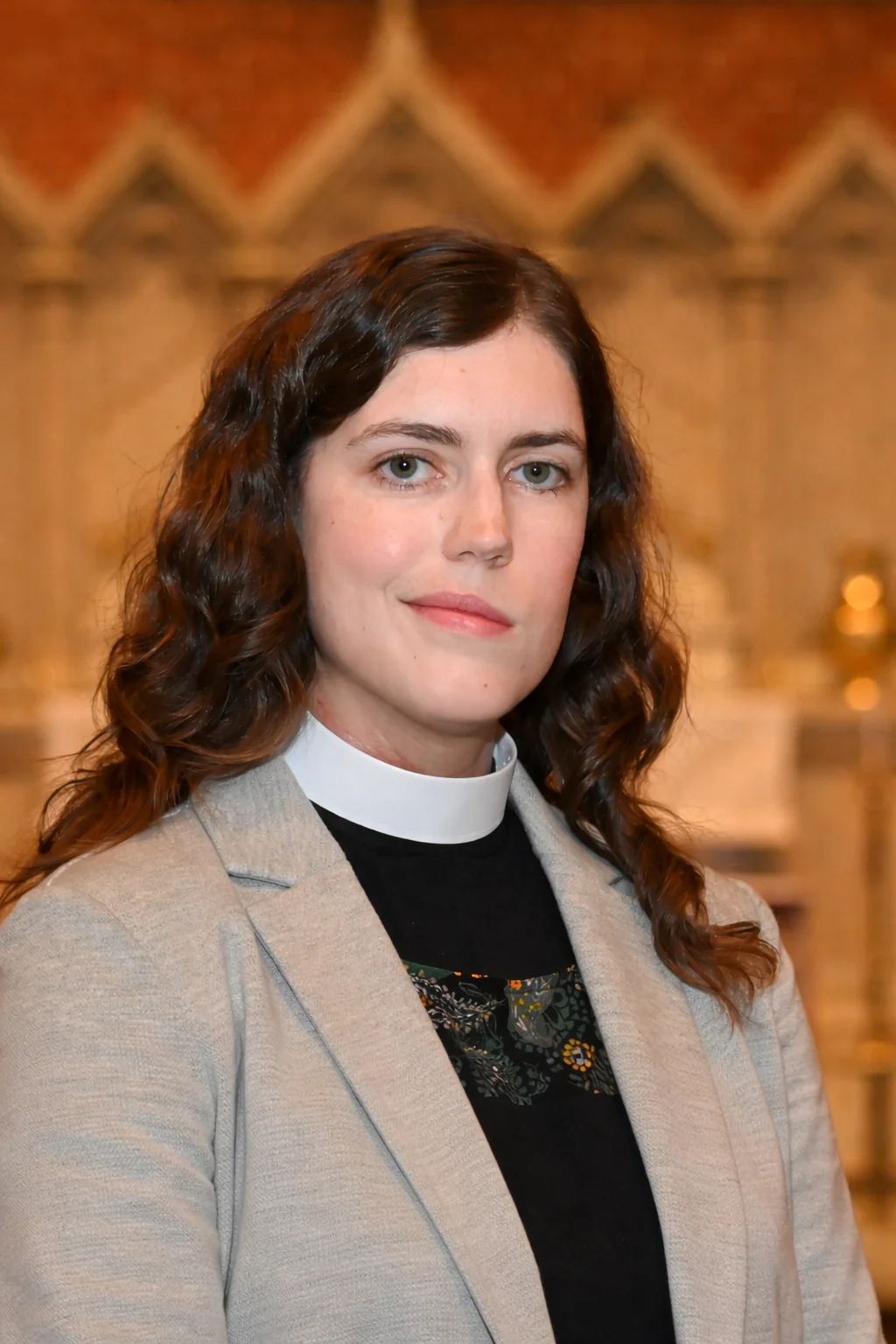
Notice, Care, Show Up
Opening Introduction:
When you hear the word crisis, what comes to mind?
A crisis is a moment when life feels bigger than you. Something negative happens that you didn’t plan, didn’t choose, and can’t easily fix. It might be sudden, like an accident or a death. Or it might build slowly, like depression, addiction, or a family falling apart. Nobody wants to experience crisis, but pretty much everybody does at some point.
You might imagine priests only stand at the front of church on Sundays. But as a priest, I spend a lot of time during the week with people when they’re in those moments of crisis. The church language for looking after others is called pastoral care. Crisis can happen at different times and in different ways. It includes things like When someone is in hospital. When someone has died. When a family is struggling. When someone feels ashamed or scared. And most of the time, what people need isn’t someone to fix everything, but they just need someone who will be with them. What I Actually Do
- I wonder, if you were going through the worst week of your life, I wonder what you think would help you the most - advice, someone listening, prayer, practical help?
Most people say something like “someone being there.” There are three main things I do when someone is in crisis. First, I show up. That might sound simple, but it’s powerful. When someone is scared or grieving, the world can feel very lonely. Just being there — calm, steady, not panicking — matters.
Second, I listen. In crisis, people ask big questions: Why is this happening? Where is God? Is this my fault? Will things ever be okay again? I don’t always have answers. Sometimes there aren’t clear answers. But I can make space for the questions. And one of the great things about faith is that it doesn’t mean pretending everything is fine. It means being honest in the middle of the mess, and being able to take it all to God.
Third, I can help practically. I offer to pray with the person, and I let them know I’ll continue praying for them. But churches do more than just pray as well. Church is full of people who care for each other. We organize meals. We help with rent. We connect people with counselors. We visit people who can’t leave their homes. We support families planning funerals. We can help people have hard conversations. Pastoral care is spiritual, but it’s also practical.
How This Connects to My Duty to God So how does this connect to my faith? I am a priest, and I help people in crisis, because of what I believe about God. I believe that God is always there with us, no matter what we are going through. In the Bible, God doesn’t stay far away from suffering. Instead, we find God everywhere. Jesus spends a lot of his time with sick people, with grieving families, and people who’ve messed up. He doesn’t avoid them. Instead he heals, comforts them, sits with them.
As a priest, it is my role to be with people and to remind them that God is with them too. To let them know that they are never alone. My faith also teaches me that every person has dignity, and every person is important. Not just the successful people. Not just the people whose lives seem fine. Everyone. If someone is living with addiction, grief, anger, shame, poverty, doubt, loss… whatever it might be at the time - their value hasn’t disappeared or become less. They are still made in the image of God.
My calling as a priest is to care about and treat every person like they are as valuable as I am myself, because that’s how God sees them too. Jesus tells us that the most important commandment is to love God, and the second most important commandment is to love our neighbour, meaning everyone, as much as we love ourselves. That can be really hard, but it’s what we are called to do as Christians who believe we are all God’s children.
Now, your Scout Promise talks about duty — to God and to others. I wonder if I asked you to describe what duty is, what would you say? Duty isn’t about being perfect. It’s about responsibility. It’s choosing to do the right thing even when it’s inconvenient. For me, from a faith perspective, my duty to God and to my faith is to love others with my words and actions. That looks different at different times and to different people. It includes: Sitting with someone who is dying. Helping family plan a funeral for their loved one. Listening to someone who is angry at God. Answering the phone when I’m tired! Sometimes sitting with someone who is sad is uncomfortable. But it’s also loving. It’s my calling and my duty as a person of faith and as a priest.
I won’t ask for you to raise your hands, but I wonder how many of you have experienced crisis in your life. I have experienced crisis myself. I’ve had some serious health problems, and had to deal with fear and uncertainty. There is no reason why, no explanation. It’s just that sometimes the bad thing happens. Sometimes life feels like it’s falling apart. But in those moments I know that what was important to me was knowing that other people cared. People at my church loved me by bringing meals, watching my baby, visiting with me, praying for me, letting me know I was loved. And that made all the difference. So when I sit with someone who is scared, I understand a little of what that feels like. And that deepens my sense of duty to be loving towards that person.
But helping someone who is in crisis doesn’t require special skills or training. You don’t have to be a priest, or even an adult. You just have to: Notice. Care. Show up. Stay. For example, at school, a crisis might look like:
- A kid being bullied.
- Someone sitting alone every day.
- A friend whose parents are divorcing.
- Someone who feels embarrassed or ashamed. Your way of caring for them might look like:
- Sitting next to them.
- Including them.
- Listening.
- Not spreading rumors.
- Getting a trusted adult if someone is in real danger.
Closing Line For me, being there for people in crisis is part of how I live out my duty to God. I try to reflect the kind of God I believe in — one who stays with us through anything. Now I’d love to hear your questions.