Fire That Changes Us
I’ve never preached a fire and brimstone sermon, but from today’s gospel reading you could easily assume that that’s exactly what Jesus is doing here. “I came to bring fire!” A scary statement in itself. ‘How I wish it were already kindled!’ Um, ok! Gosh Jesus, what’s gotten into you? Sounds like someone has snapped his last nerve.
Jesus is stressed because he knows what is coming. At this point in Luke’s gospel Jesus has already been baptised in the river by John the Baptist, so the baptism still to come which he refers to here is his experience of the people turning on him and his message being rejected, with the consequences of pain and death for Jesus. But that doesn’t explain his longing for fire. So what is he talking about?
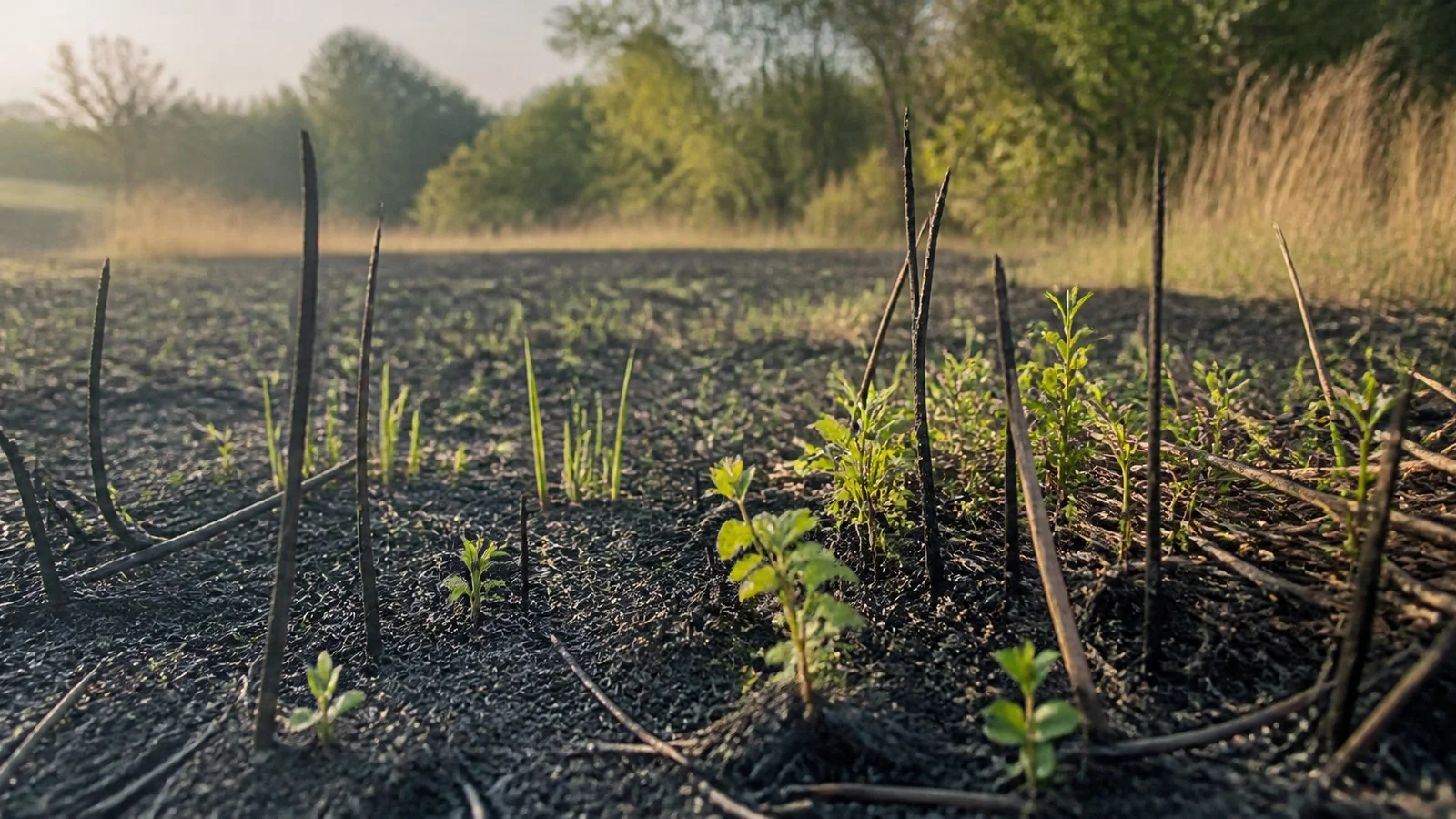
Like most things in life, fire can be good or bad. Fires can be catastrophic, bringing devastation and destruction. But it can also lead to new life, creating new conditions for growth and change. In some places, regular fires are an essential part of the ecosystem. It’s similar in the Bible. We have the image of hell-fire, the burning of judgement and punishment that has become our default mental picture of ‘the bad place’ of the afterlife. But then fire is also a symbol of God’s presence. We have the burning bush, from which God calls Moses to lead his people to freedom; there is the pillar of fire which leads the people through the wilderness; and the Holy Spirit itself descends like tongues of flame. Fire is frequently a tangible representation of God’s glory and power, as well as being a means of communication.
By the time we arrive at today’s reading, Luke’s gospel has already told us through John the Baptist that Jesus is coming with a fire of purification and refinement. A fire of positive change. So Jesus’ longing for fire is a longing for God to move among us, bringing about the circumstances needed for new life.
Now of course, even when fire is doing good work, it is still uncomfortable. Even in the depths of winter when you have a cosy fire roaring in the hearth, you don’t get too close. On some level at least, to wish for fire is to wish for discomfort. For transformation doesn’t come easily.
The reading from the letter to the Hebrews lists a whole variety of biblical figures who, despite their own flaws, acted in faith in a way which was significant. But it must be said that none of their achievements happened without some level of division and discomfort, and often involved separating themselves from their own communities or families.
When Moses led the people through the Red Sea, they weren’t all singing in unison; some were panicking, some grumbling. When Joshua marched around Jericho, it was war, not peace. And when Rahab hid the spies it was a betrayal of her own people. Faith, in other words, doesn’t mean keeping things calm and peaceful. It often means walking straight into the upheaval that God is stirring up. It means getting close to the fire. This is what Jesus means when he declares that he has not come to bring peace, but division.
We like to talk about the peace of God, the peace of Jesus, and the peace of faith, and it’s easy for that to feel all warm and fluffy. Like when the Miss World contestants in the movie Miss Congeniality all answer the question ‘What does our society most need?’, with the crowd pleaser: ‘world peace’. This cuddly feel-good peace is not what Jesus is about. Instead the peace of God is a particular kind of peace that can only come about when people prioritise and stick to the call of God, even if that in itself brings division, anger, breakdown of relationships, loss or hardship. Jesus warns us - the peace worth having comes after the fire, not instead of it. The work of God, unfortunately for our love of easy comfort, tends to create upheaval. It is a refining fire that we are asked to carry in our bare hands.
In the movie Chariots of Fire, Eric Liddell seems to take the instruction of Hebrews quite to heart, to ‘run with perseverance the race set before him’. However, he also causes some upset along the way. When the race that he has trained for is scheduled for a Sunday, he sticks to his principles of keeping the Sabbath - not running on the Lord’s Day of rest. To the dismay of a whole room full of high-powered people, including the Prince of England, he refuses to run on a Sunday. What gives him the ability to hold to his convictions is his focus on faith. He was willing to cause division, anger, disappointment, to let go of his dreams and everything he’d been working towards, because he prioritised what he saw as important in following God.
When we really put God at the center, we are often playing with fire. And that fire will change us. It will burn away old habits, old securities, and old loyalties. It will demand that we risk more than we want to risk, and let go of more than we want to let go. But without fire, there is no new life. And new life is what our faith is all about.
So the good news for us is that fire spreads. A single flame becomes a blaze. A candle in the dark becomes a beacon. That is what Jesus longs for—fire that changes not only us but also the world around us. And not much is different from 2000 years ago, in that the world still desperately needs changing.
Now I don’t know if all of this has helped to make the idea of fire any less intimidating. Having Jesus wish for fire to be kindled and say he is bringing division rather than peace is not going to feel comforting, no matter how good the sermon. But, I’d suggest that comfort isn’t the point.
The point is, that the Spirit’s transformative fire burns within us, just as it burned at Pentecost. And what’s more, we aren’t in this alone. The list of faithful people in the Hebrews reading reminds us that we are always surrounded by the examples and encouragements of those who have gone before and alongside us. We are never one lonely runner on a track, but like at the Olympics, surrounded by communities who sustain and cheer us on.
So, what next? Has the fire Jesus longed for come? In many ways it certainly feels like it. But in the midst of the division, anger, and inequality we are surrounded with in today’s world, how do we allow ourselves to be shaped by the prioritisation of God’s peace? How do we choose, not the easy answer or the comfortable distance, but the hard work of a gaze focused on God’s love? By choosing honesty over silence, compassion over indifference, forgiveness over bitterness. By standing with those whose faith is costing them dearly, reminding them they are not alone.
So when the fire feels too hot, or the race too long, remember that Christ has already gone before us, the Spirit burns within us, and the cloud of witnesses surrounds us. The joy of God’s kingdom, the focus and point of everything, is worth it. So do not fear, even when Jesus says alarming things. Instead, may that fire he longs for refine us, unite us, and send us out until God’s love fills the whole earth with new life, new peace, and new joy.
Amen.
Hebrews 11:29-12:2; Luke 12:49-56